

 Dec 29,2025
  By Ankit
What Every Smart Website Needs to Build Trust, Convert Visitors, and Grow
If your website isn’t bringing in enquiries, bookings, or meaningful conversations, it’s probably not broken.
It’s just incomplete.
At MagnovaLabs, we see this pattern repeatedly—especially with therapists, wellness practitioners, consultants, and small business owners.
The work is solid.
The intention is genuine.
But the website doesn’t clearly guide visitors toward trust or action.
This article breaks down the non-negotiable foundations every modern website needs—not based on design trends, but on how real people actually make decisions.
These aren’t trends.
They’re foundations.
1. A Website That Explains Your Value — Not Just Your Services
Most websites describe what they offer.
Effective websites communicate why it matters.
Your visitor isn’t looking for a list of services.
They’re looking for relief, clarity, progress, or reassurance that they’re making the right choice.
- A therapist’s visitor wants to feel safe and understood
- A practitioner’s visitor wants confidence they’re choosing the right support
- An SME’s visitor wants efficiency, outcomes, or growth without extra complexity answers.
Your website should quickly answer:
- What problem do you help solve?
- What changes for the client after working with you?
- Why should they trust you with this decision?
When people understand your value quickly, they stay longer—and explore further.
2. Clear Messaging in the First Few Seconds
You have about 5 seconds(Learn More About the 5 second Rule) to make sense to a visitor.
That decision happens before they scroll.
The top section of your website must clearly:
- Speak to the right audience
- Address a real problem or desire
- Make the next step obvious
This isn’t about clever wording. It’s about clarity.
Ask yourself:
“If someone reads only this section, will they know they’re in the right place?”
If the answer is no, that’s where improvement starts.
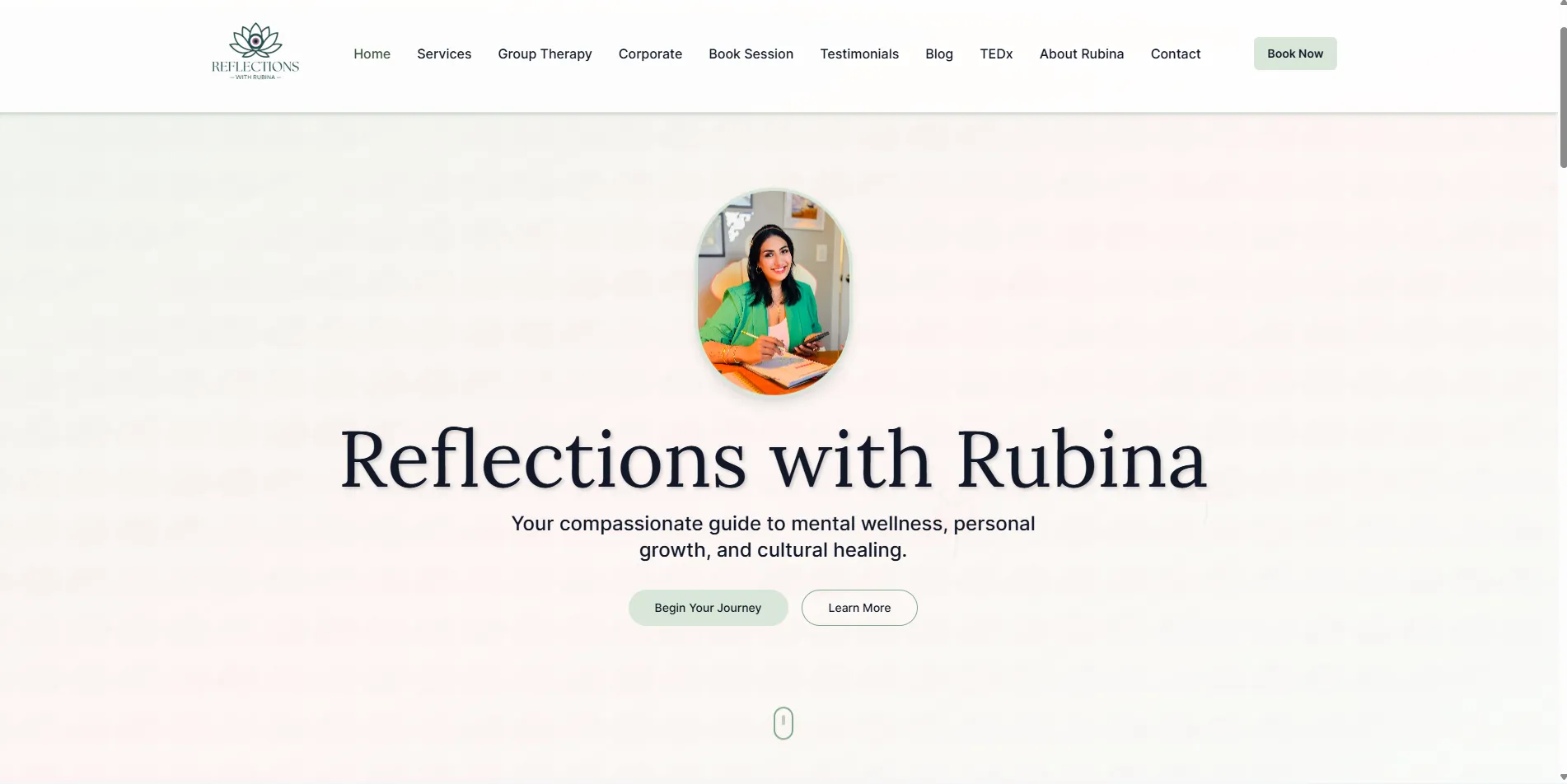
3. Headlines That Focus on Outcomes, Not Titles
One of the most common website mistakes is leading with what you do instead of what the visitor gets.
People don’t visit websites to admire services.
They visit to solve problems.
A strong headline:
- Focuses on benefits, not roles
- Reflects what the client wants to achieve
- Uses language the client actually recognises
If your headline doesn’t pass the “So what?” test, it’s not doing its job.
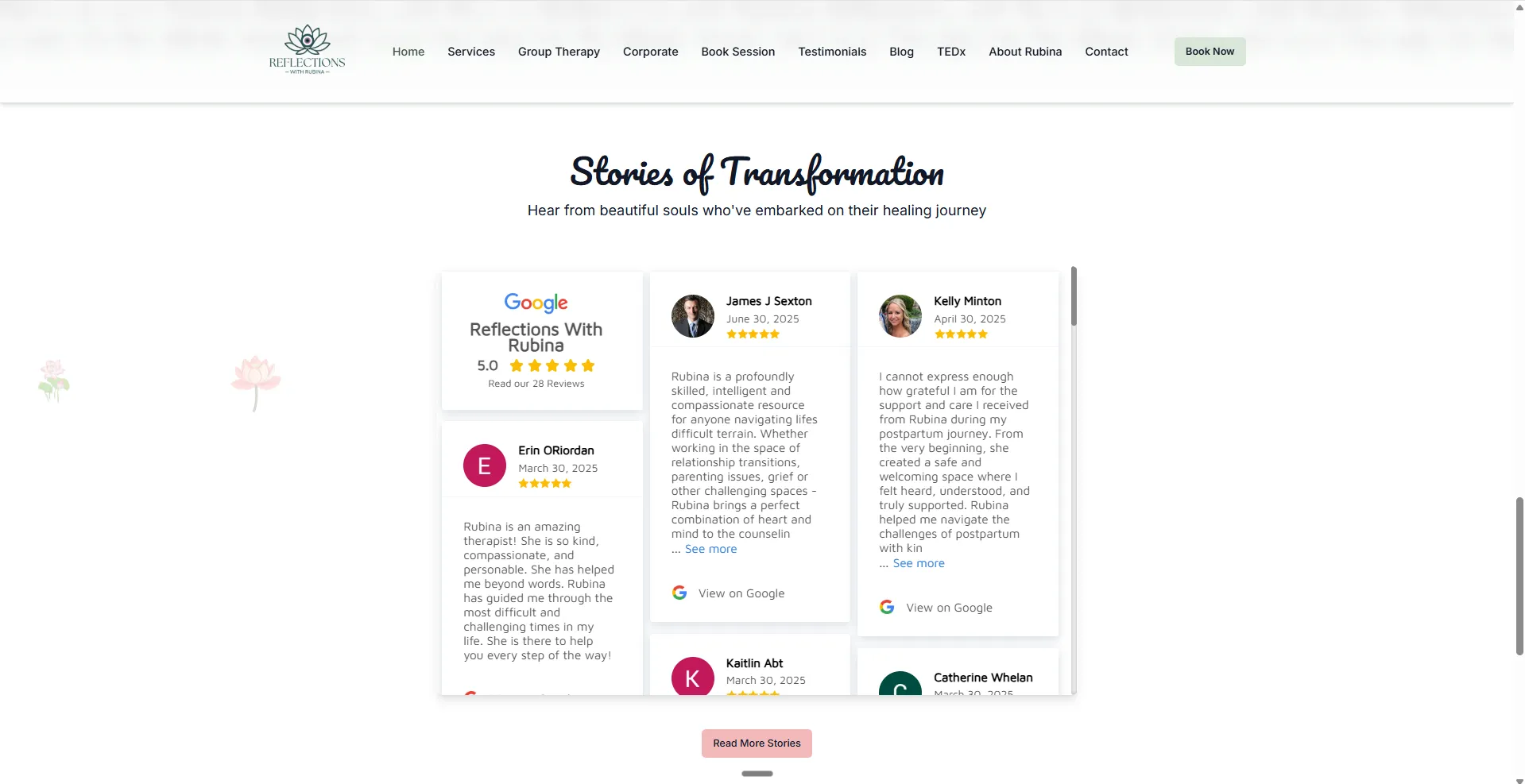
4. Trust Signals That Actually Reduce Doubt
Trust is the real currency of service-based websites.
Every visitor arrives with questions and hesitation.
Your website’s job is to reduce that doubt before they reach out.
Effective trust signals answer:
- Has this helped people like me?
- Is this person or business credible?
- What kind of experience can I expect?
High-impact trust signals include:
- Testimonials with context (not vague praise)
- Experience explained simply
- Credentials that matter to the client
- Clear processes and expectations
For therapists and practitioners especially, trust is often the deciding factor.
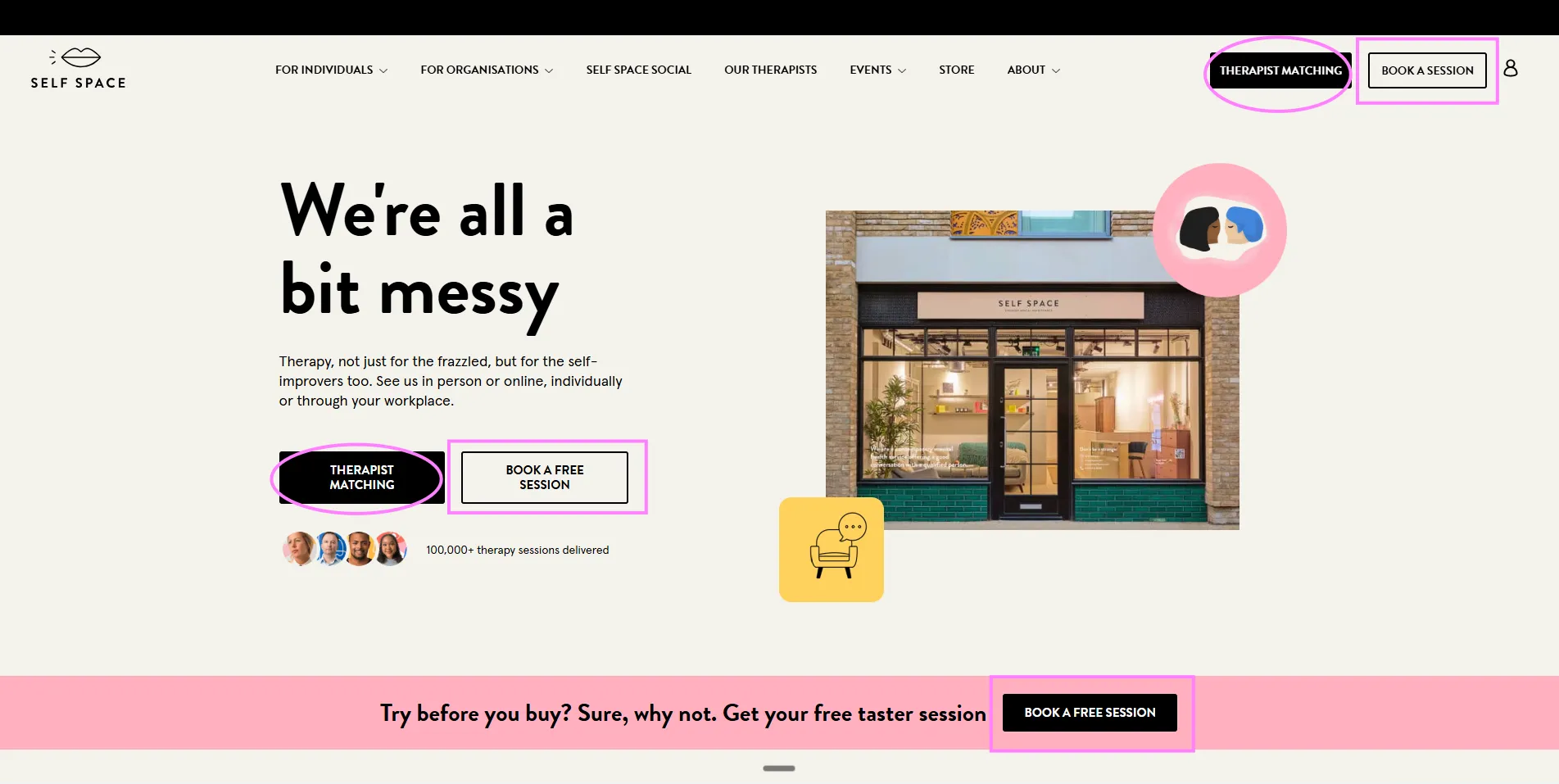
5. One Clear Primary Action at a Time
Confusion kills conversions. When visitors don’t know what to do next, they do nothing.
Every effective website prioritises one primary action:
- Book a session
- Schedule a call
- Submit an enquiry
Everything else should support that action—not compete with it.
When the path is clear, action feels easier.
6. Structure That Matches How People Actually Read
People don’t read websites.
They scan them.
That means your content must be:
- Structured
- Skimmable
- Easy to digest
High-performing websites use:
- Clear subheadings
- Short paragraphs
- Bullet points where helpful
- Visual breaks
- Logical flow
Assume most visitors will read only 20% of your content.
Design so that 20% still tells the full story.
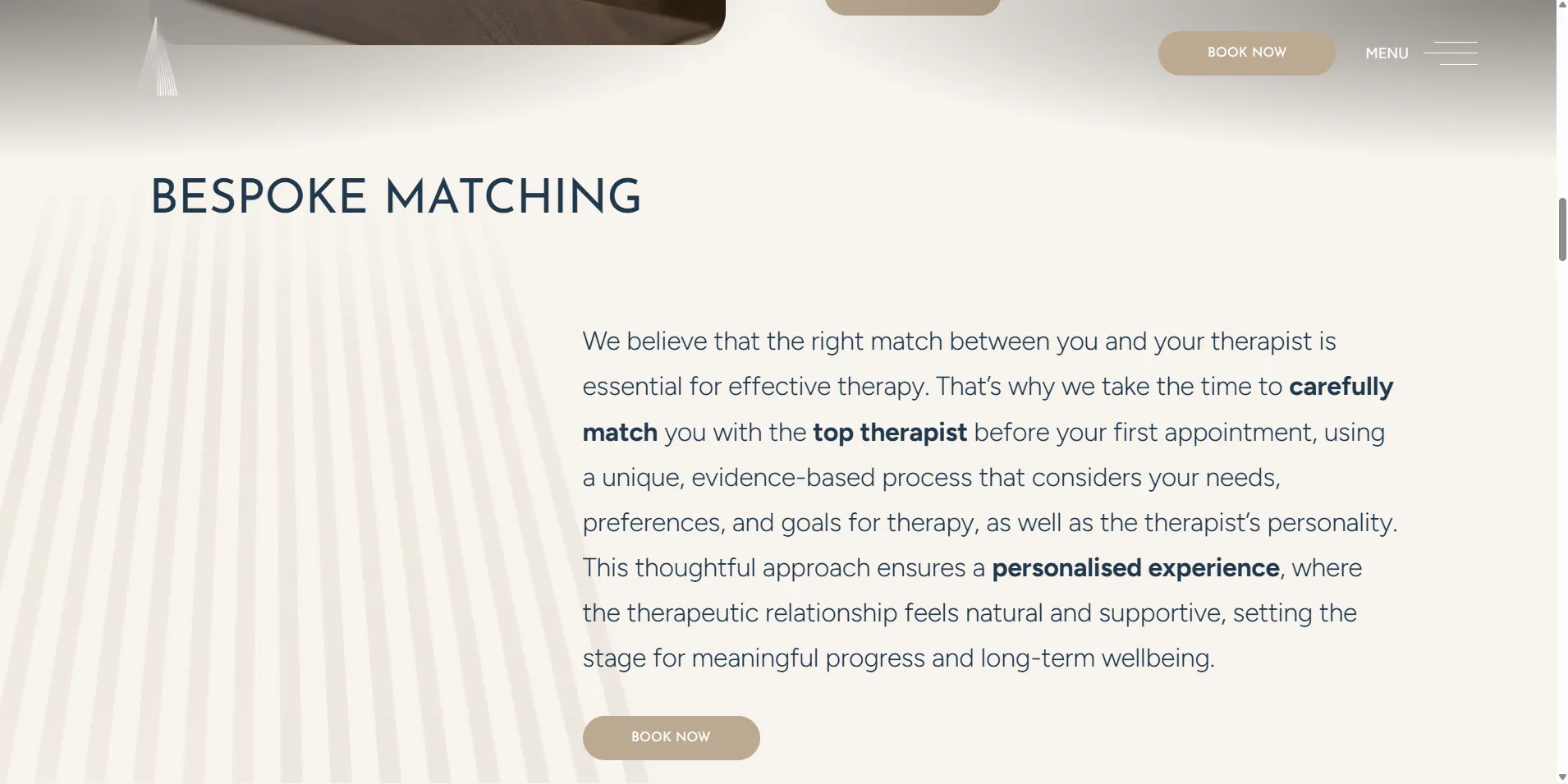
7. Emotional Connection Before Logical Explanation
People decide emotionally—and justify logically.
This is especially true when:
- They’re overwhelmed
- They’re stuck
- They’re in pain
- They’ve tried things that didn’t work
A strong website shows understanding before explanation:
- “We see where you’re coming from”
- “We understand what you’re dealing with”
- “You’re not alone in this”
Once emotional safety is established, logic has room to land.
8. Simplicity in Design and Navigation
There’s a difference between being creative and being confusing.
When conversion matters, familiar patterns win.
Simple navigation, predictable layouts, and clean structure help visitors focus on what matters. They don’t want to learn how your website works—they want to know if you can help them.
- For therapists, simplicity creates safety
- For SMEs, it creates efficiency
Either way, it builds trust.
9. A Website That Works Properly on Mobile
More than half of your visitors will view your website on mobile.
That means:
- Headlines must stay clear
- Buttons must be easy to tap
- Content must not feel cramped
- Key sections must appear early
A website that only works well on the desktop is quietly losing opportunities every day.
Mobile isn’t an add-on.
It’s a requirement.
10. Content That Moves People Forward — Not Just Informs
Every section on your website should earn its place.
Ask:
- Does this answer a real question?
- Does this reduce doubt?
- Does this move someone closer to action?
Long websites don’t hurt conversions.
Unfocused websites do.
11. A Clear, Confident Closing Section
Your website should end with direction.
Not:
“Contact us for more information.”
But something that:
- Recaps the benefit
- Reinforces trust
- Encourages the next step
This is where hesitant visitors often decide.
Make it easy for them to say yes.
A Quick Self-Check
If you’re unsure whether your website:
- Builds trust in the first few seconds
- Clearly guides visitors toward one action
- Reduces doubt before asking for contact
- Feels calm, clear, and intentional
Then it’s probably not working as hard as it could.
That doesn’t mean your business is the problem.
It means your website isn’t fully supporting it yet.
What This Means for Therapists, Practitioners & SMEs
In trust-based businesses, your website often speaks before you do.
It sets expectations.
Shapes perception.
Determines whether someone feels safe enough to reach out.
A smart website:
- Builds trust quietly
- Explains clearly
- Guides gently
- Converts naturally
The Magnova Labs Way
At Magnova Labs, we don’t build websites to impress other designers.
We install clarity-driven revenue systems that:
- Think like your clients
- Reduce friction and hesitation
- Support real, sustainable business growth
Whether you’re a therapist building trust, a practitioner growing your practice, or an SME scaling with intention—your website should be an asset, not a question mark.
Ready to Make Your Website Work Smarter?
If your website feels unclear, quiet, or underperforming, it’s not a failure—it’s feedback.
When you’re ready to make your website work with your business instead of against it, we’re here.